Benefits of Weights vs Resistance Bands
Feeling stronger, more balanced, and independent as we age is one of the best gifts we can give ourselves. But when it comes to building that strength, there’s a question many people ask: are resistance bands or weights better for older adults?
The short answer? Both can be great for maintaining health, energy, and mobility. Especially when used safely and progressively.
At MOVEability, we believe that movement should be simple, accessible, and enjoyable for everyone, no matter your age or ability.
Whether you’re using a pair of socks to grip, a tin of beans, or light resistance bands, the key is consistency and gradual improvement over time.
What Are Resistance Bands?
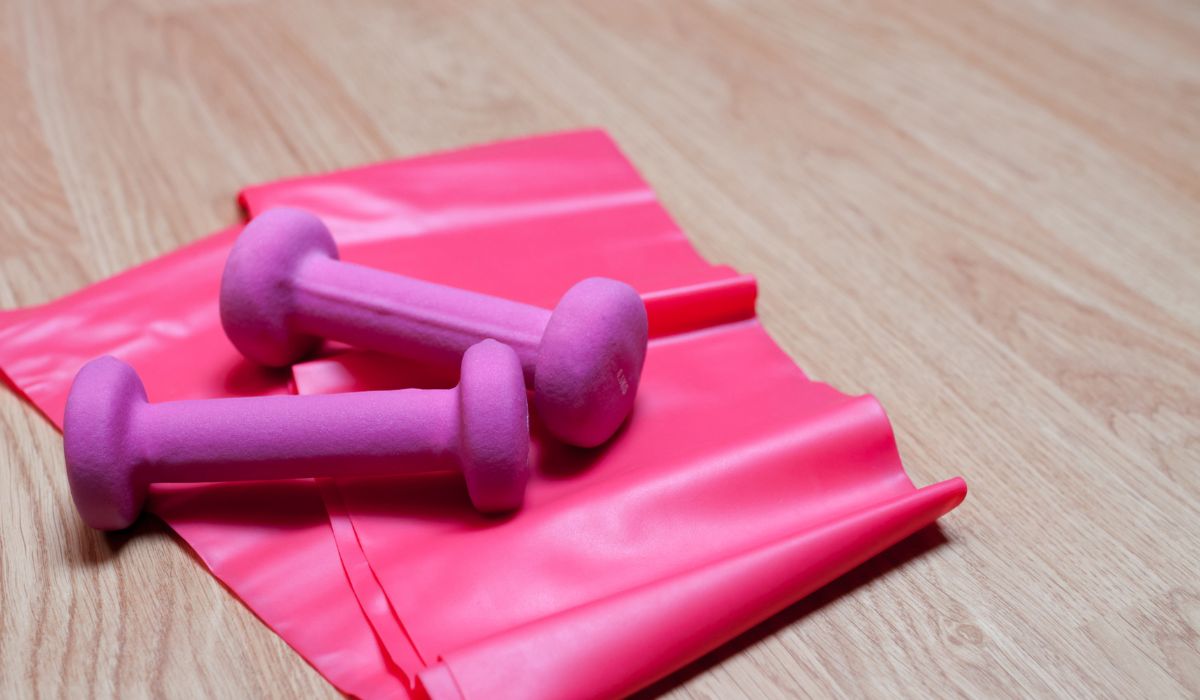
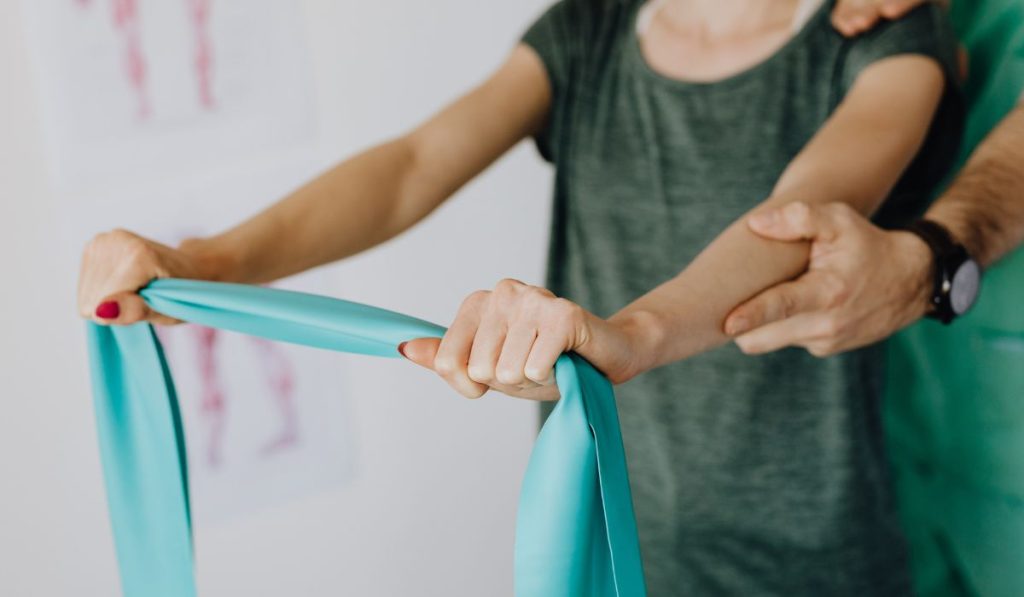
Resistance bands are elastic, stretchy bands that provide resistance as you pull them. They come in different colours and strengths, from very light to heavy tension. Many people first discover resistance bands during rehabilitation or physical therapy because they’re gentle on joints while still strengthening muscles.
They’re portable, affordable, and ideal for those who want to exercise anywhere. At home, in a park, or even on holiday. Bands work by creating tension that engages muscles throughout their full range of motion. This makes them great for joint flexibility, posture, and balance.
For older adults, resistance bands can be especially useful at the start of a strengthening journey. They provide controlled, joint-friendly resistance and can be easily adjusted depending on your comfort level. Simply shorten the band for more challenge or loosen it for less.
What About Weights?
Weights, on the other hand, offer a slightly different type of resistance – one that involves gravity. When you lift or hold a weight, your muscles contract to support and move the load, helping them grow stronger over time.
For many older adults, simple household items like tins of beans make excellent beginner weights.
In our MOVEability classes, we often recommend participants start small:
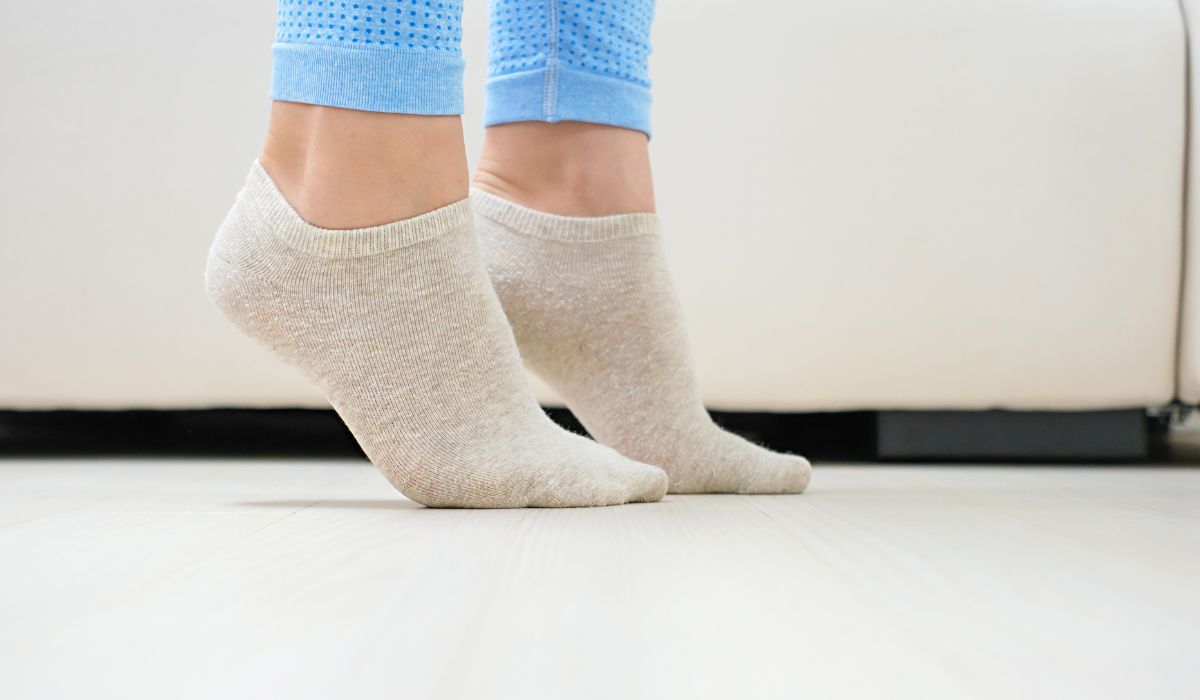
- Grip a pair of socks or gently squeeze fists to engage hand and arm muscles.
- Move up to a tin of beans or a small dumbbell (around 0.5kg).
- As strength builds, progress gradually to slightly heavier weights.
Even squeezing fists or socks can feel surprisingly challenging. It strengthens grip, improves coordination, and activates important muscles in the hands and forearms. Grip strength, in fact, is one of the best indicators of overall muscle health and independence later in life.
Why Strength Training Matters More as We Age
As we get older, our bodies naturally begin to lose muscle mass. This is a process called sarcopenia.
According to health research, adults can lose between 1 and 3% of muscle strength each year after the age of 60 if they don’t engage in regular resistance training. This loss can lead to weakness, instability, and a higher risk of falls.
Strength training using weights or resistance bands helps counteract this. By regularly challenging your muscles, you encourage them to grow stronger, improve coordination, and support bone density. This makes everyday activities, from standing up, walking, or lifting shopping, easier and safer.
The National Institute on Ageing and NHS guidelines recommend older adults perform muscle-strengthening activities at least twice a week. These exercises don’t need to be strenuous. Light, consistent effort works wonders over time.
The Benefits of Using Weights
While resistance bands are excellent for flexibility and maintaining control, weights can offer unique benefits for older adults who are ready to gently progress their training.
1. Improved Bone Health
Lifting light weights encourages bone cells to grow stronger, reducing the risk of osteoporosis and fractures. This type of “weight-bearing activity” stimulates bone density far more effectively than walking alone.
2. Enhanced Muscle Strength and Endurance
Weights allow for precise, gradual progression. You can start as light as you need and gradually increase resistance as your muscles adapt. This gentle build-up helps keep you safe from strain or injury.
3. Better Balance and Stability
Training with weights engages stabiliser muscles, especially in your core, legs, and hips, helping you stay steady on your feet. Improved balance means fewer falls and more confidence moving around.
4. Boosted Mood and Energy Levels
Strength training releases feel-good hormones and can significantly improve mood, energy, and sleep quality. Even a short session using light weights can leave you feeling revitalised.
5. Increased Independence
Staying strong keeps you capable of daily activities, from climbing stairs to carrying shopping bags, without help. Each bit of progress adds up to more freedom and independence.
Gradual Progress Is Key
Many people think they need to jump straight into lifting weights to see results, but the truth is that progression is what matters most. Whether you’re starting with resistance bands, socks, or tins, the idea is to challenge your muscles just a little more over time.
Here’s how to approach it safely:
- Start with your body weight or light resistance. Even gripping socks or squeezing fists for 5-10 seconds helps activate muscles and build endurance.
- Add small weights once movements feel easy. A tin of beans or a 0.5kg dumbbell is perfect.
- Progress slowly. Increase the number of repetitions before adding more weight.
- Listen to your body. Muscle tiredness is good. Pain isn’t.
This gentle, step-by-step improvement prevents injury while helping your muscles and joints adapt effectively. With consistent effort, you can look forward to firmer muscles, improved posture, and better confidence when moving.
Combining Bands and Weights for the Best Results
There’s no strict rule that says you must choose between resistance bands or weights. In fact, many older adults benefit from using both at different times.
Resistance bands are great for warm-ups and joint mobility, while light weights (or simple household objects) are fantastic for focused strength work.
For example, you might use a resistance band in the morning to loosen up your shoulders, then use tins of beans later in the day for some arm raises or bicep curls.
The secret lies in finding what feels comfortable and keeping it up. Remember: the best exercise is the one you enjoy and can stick to regularly.
Increase Your Strength With a Seated Exercise Class With MOVEability
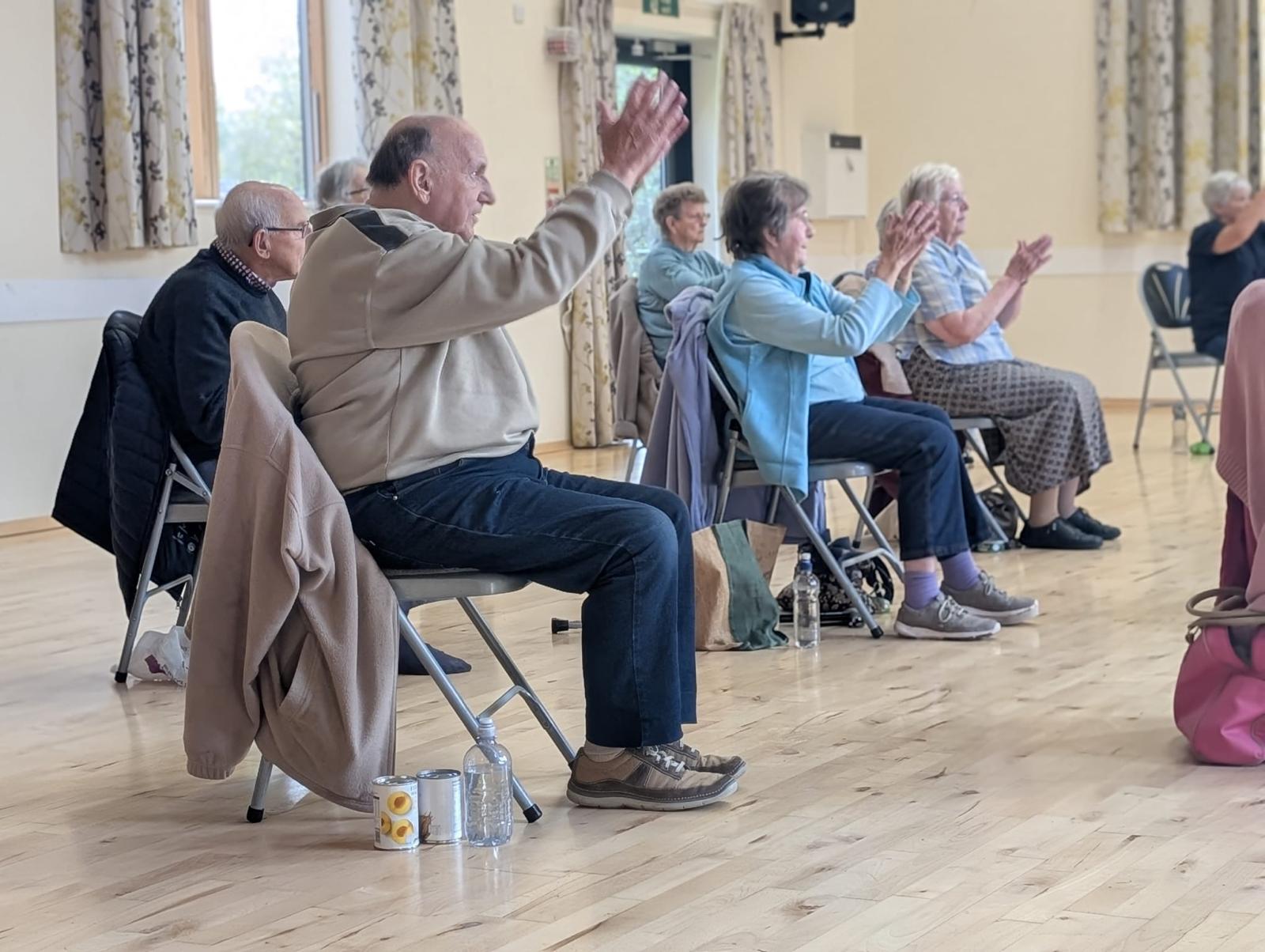
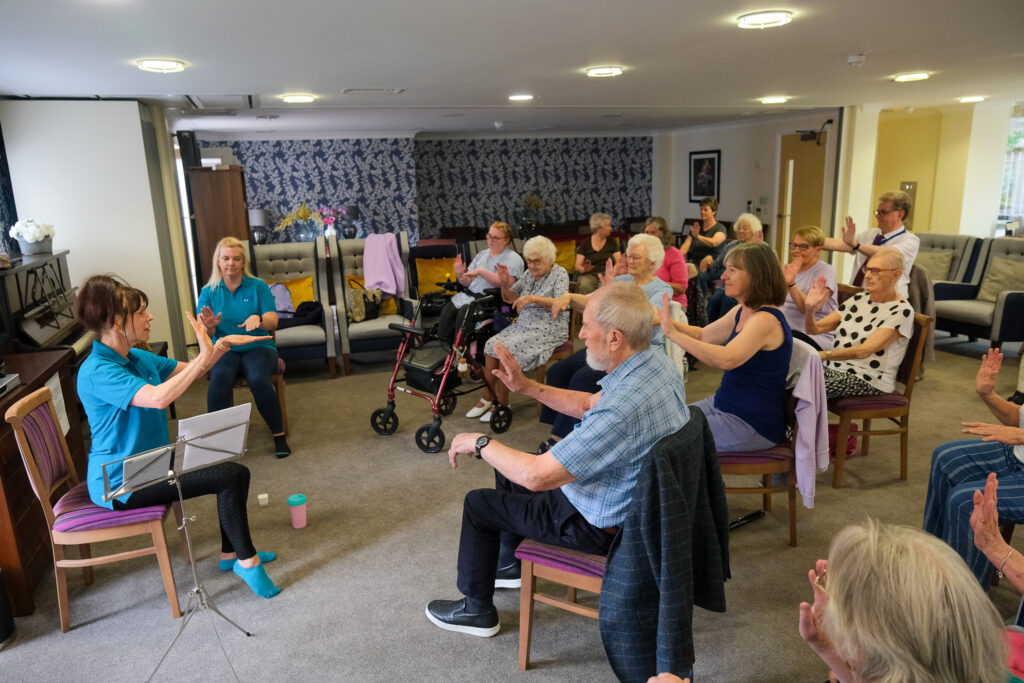
At MOVEability, movement is about progress, not perfection. Each of our seated exercise classes are designed by expert instructors who focus on gentle strength-building routines that boost confidence, balance, and wellbeing.
Every session includes warm-ups, strengthening exercises using light weights, and relaxing stretches to finish. Participants are encouraged to move at their own pace, using anything from socks to improve grip strength or squeezy balls to small hand weights.
Ready to Get Moving?
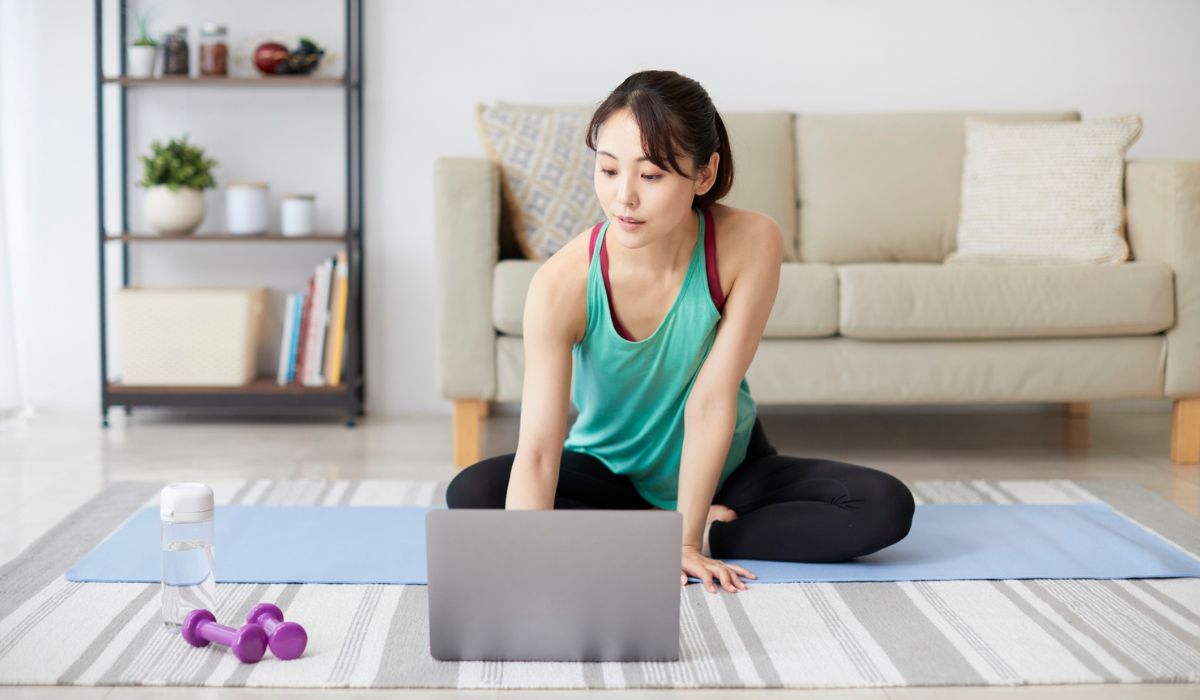
If you’re ready to feel stronger and more confident in your body, join MOVEability’s online chair exercise classes. Friendly, accessible sessions you can take part in from your own home. All you need is a sturdy chair, a pair of socks, or a light tin from your cupboard.
Sign up to a FREE trial class today and discover how small, simple exercises can transform your strength, confidence, and wellbeing.
Need a little help getting started online? Don’t worry, we provide full support to help you get set up on Zoom and easily purchase your tickets online. We’re here to help you every step of the way, making sure nothing stops you from joining.
MOVEability offers a wide range of on-site and online seated exercise classes for people of ALL ages and abilities. We believe movement should be inclusive and fun for everyone.
Related Guides:
- 10 exercises to do while sitting
- 9 benefits of seated exercises
- 10 fun activities for elderly in care homes
- What chair to use for seated exercise?
- 6 tips to prevent falls in winter
- 10 seated exercises for seniors
- What is low impact exercise?
- What is online exercise?
- 10 reasons why socialising is important